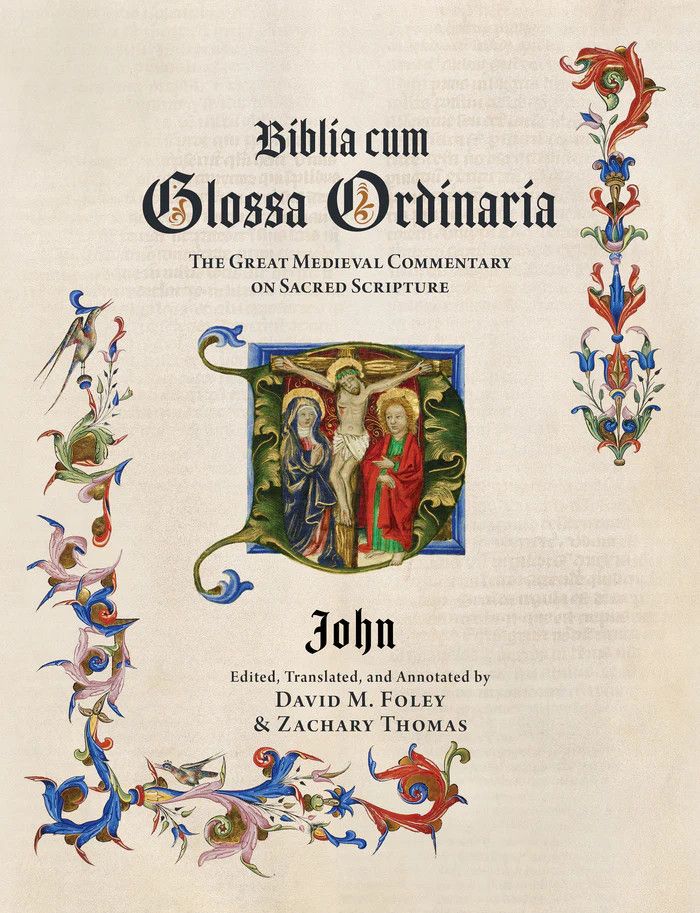
Biblia cum Glossa Ordinaria – John, The Great Medieval Commentary on Sacred Scripture
SKU A0394
$79.95
David M. Foley, Zachary Thomas - Emmaus Academic
In stock: 1 available
1
Product Details
Brand: Emmaus Road
Although hardly known in the modern era, the Glossa ordinaria was the most popular and influential biblical commentary of the Middle Ages, surviving in thousands of manuscripts and referenced constantly by Thomas Aquinas, Bonaventure, and other medieval schoolmen. Comprised chiefly of excerpts from the patristic exegesis of Augustine, Jerome, Gregory the Great, and many others, the Glossa stands as a unique witness and aid to reading Scripture within the Church's Tradition.
Whether in manuscript or print form, one of the most distinctive elements of the Glossa ordinaria is its layout, which features a central column of biblical text surrounded by marginal "glosses," or exegetical notes, and interwoven with short interlinear glosses. This format has been retained in this new English translation of the Biblia cum Glossa Ordinaria, bringing the reader one step closer to encountering the Bible as its medieval readers did.
Based on the Latin text of the edition printed by Adolph Rusch, this first English translation of the Glossa on John presents a wealth of patristic and medieval insight on the fourth gospel, elucidating its distinctive insights into the divinity of Christ the Incarnate Word, and the manifold importance of His signs, teaching, and glorification through His Cross and Resurrection.
Save this product for later
Customer reviews
Reviews only from verified customers
No reviews yet. You can buy this product and be the first to leave a review.
Biblia cum Glossa Ordinaria – John, The Great Medieval Commentary on Sacred Scripture
You May Also Like
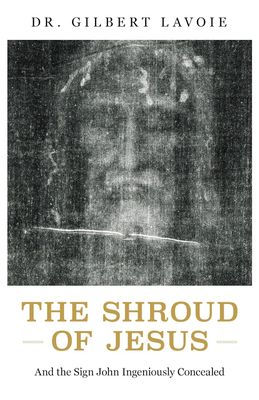
The Shroud of Jesus: And the Sign John Ingeniously Concealed
The Shroud of Jesus: And the Sign John Ingeniously Concealed
Gilbert R. Lavoie, M.D. - Sophia Institute Press
$19.95
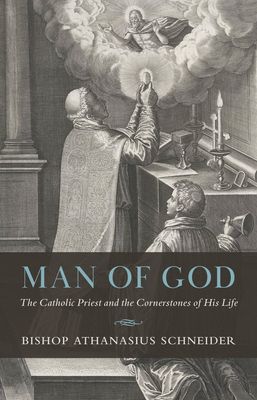
Man of God: The Catholic Priest and the Cornerstones of His Life
Man of God: The Catholic Priest and the Cornerstones of His Life
Bishop Athanasius Schneider - Emmaus Road Publishing
$26.95
Powered by Lightspeed
Display prices in:USD